

"Accountability” But Make It Convenient: The UCP's Guide to Acceptable Anger
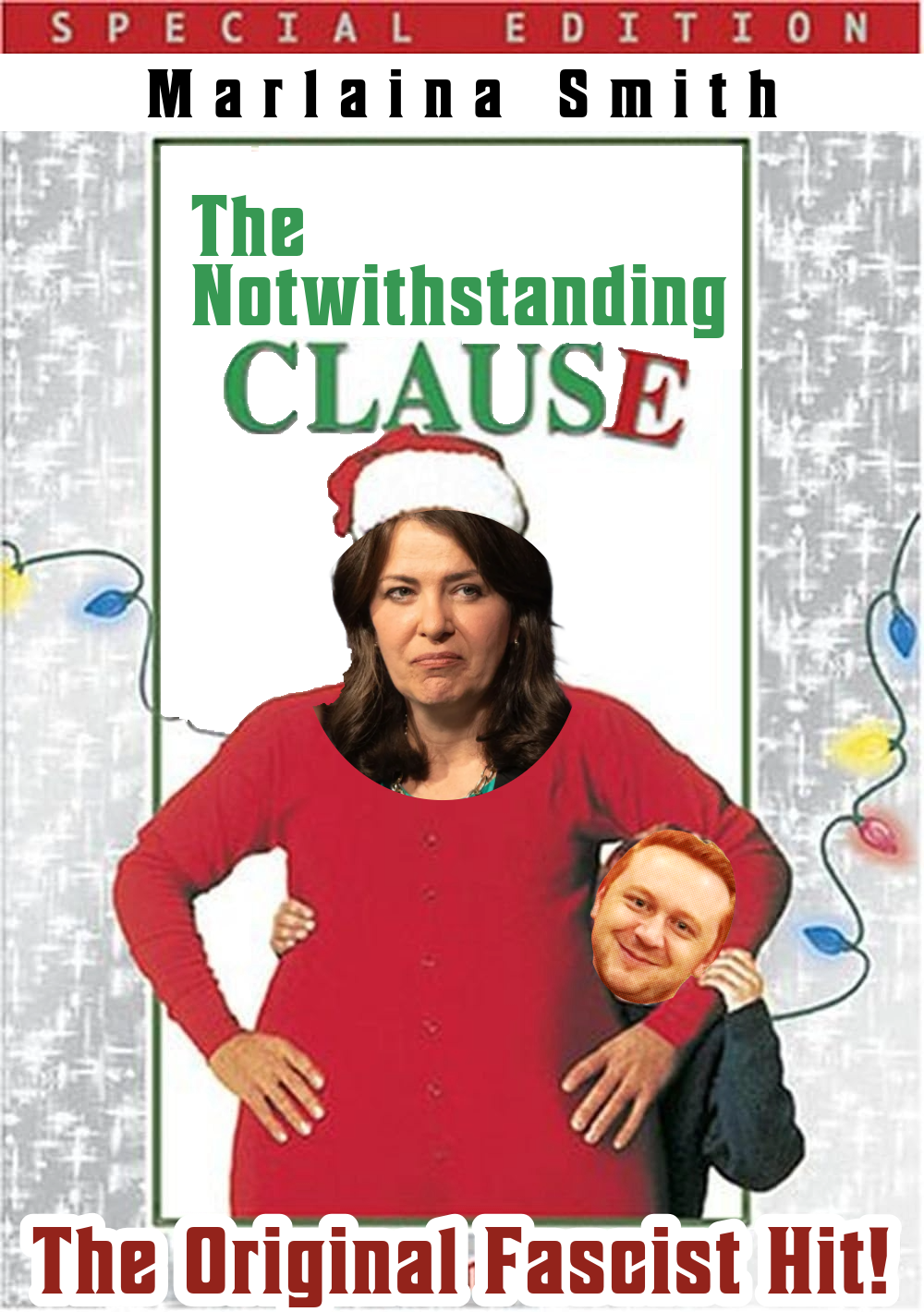
2 thumbs down.
EDMONTON – Alberta's political theatre this week has delivered a masterclass in strategic democracy—or how to champion the people's voice while carefully cupping your hand over its mouth. The UCP's performance features two riveting acts:
Act I: How to Citizen-Proof Your Agenda.
Act II: How to Redefine "Accountability" Now That It's Knocking on Your Door.
It's a breathtaking spectacle of principles bending under political weight. The government's message is a masterpiece of mixed messaging: "Your direct democracy is sacred! Also, we've made some edits to the sacred text. For your own good."
Act I: The Petitions You'll Love (Curated by Us)
First, the government boldly "streamlined" citizen-led legislation with Bill 14. The old system was so clunky, requiring a neutral official to approve petitions. Boring!
The sleek new model is much more efficient. Now, a partisan cabinet minister gets to decide if your big idea is worthy. It's like letting the home team coach also be the head referee—it just makes the game smoother! This innovation had the handy side effect of reviving a politically convenient separatist petition while sending a pesky, popular anti-coal mining petition on a nice, long bureaucratic holiday.
When the province's actual Chief Electoral Officer, Gordon McClure, wrote a polite memo suggesting this might "erode a fundamental separation of powers" and look, you know, kind of partisan, the government responded with its signature grace: a few midnight amendments and a supremely "very confident" shrug. Problem solved! The power grab remained, now with slightly better lighting.
Act II: The Petitions You'll Tolerate (While Moving the Goalposts)
Ah, but then there's the other, less civilized form of citizen power: the recall. This is where the voters get the strange notion they can fire their MLA for reasons they choose. How chaotic!
Suddenly, an unprecedented wave of this chaos has appeared: Twenty-one active recall petitions. Twenty targeting UCP MLAs, including the Premier. Awkward!
Faced with this, the UCP and its alumni have unveiled a fascinating new legal theory. You see, the Recall Act "was designed for cases of serious misconduct, not disagreement with government policy," as several of the targeted MLAs have dutifully parroted. Former Premier Jason Kenney recently echoed this, clarifying the tool is only for if a politician does "something absolutely egregious, illegal, grossly unethical."
This is a brilliant revelation with just one tiny flaw: it is completely made up. The Recall Act, passed under Kenney's own government, contains zero guidelines on acceptable reasons for recall. Not one. The drafters had every chance to insert "serious misconduct only" and deliberately chose not to. The law, as written, is a pure tool of political accountability for any reason voters see fit.
So why the sudden, creative reinterpretation? Simple. The old definition—"whatever voters want"—has become politically inconvenient. The goalposts aren't just moving; they're being hastily constructed in a new stadium now that the other team is about to score.
The Snark-Tastic Reality: They Miscalculated the Anger
The government initially floated repealing the Act entirely. The public and media response—branding them "fearful"—was so swift and brutal they had to walk it back. Why the panic?
Because they badly miscalculated. Voters have told The Owl a simple truth: using the Notwithstanding Clause to override rights was a red line. It transformed quiet disagreement into loud, motivated anger. A recall is a gruelling, expensive marathon—nobody launches one on a whim. These voters feel ignored and patronized, told their valid outrage over policy is an illegitimate use of a tool designed for outrage.
The UCP's high-minded talk of "misconduct only" is a transparent smokescreen. If an MLA truly were "egregious, illegal, and unethical," the party could remove them from caucus in an afternoon. The recall exists for precisely what's happening now: a sustained, organized public repudiation of an MLA's or government's political choices.
The Grand, Ironic Finale
So, behold the UCP's curated populist paradise:
Citizen wants a new law? Fabulous! Submit to our Ministry of Approved Thoughts.
Citizen wants to fire an MLA over policy? OUTRAGEOUS! Misuse of the tool! (Never mind that we wrote the tool's instructions and left them blank.)
The irony is thicker than Alberta crude. A government that gleefully uses the constitutional "nuclear option" (the Notwithstanding Clause) for its policies now insists citizens mustn't use their democratic "nuclear option" (the recall) in response. The message is clear: We may govern with a sledgehammer, but you must hold us accountable with a feather duster—and only for the reasons we retroactively approve.
It’s not democracy; it's Democracy™—a managed experience where your power is both celebrated and carefully contained. The only thing more potent than the voters' anger is the government's stunning lack of self-awareness in trying to bottle it.
