
Alberta's Flu Crisis: A Perfect Storm of Low Vaccination, Bad Match, and Overloaded Hospitals

File photo - Medicine Hat Regional Hospital
Alberta's healthcare system is in the middle of a perfect storm this flu season. It feels like everything that could go wrong, has: not enough people got their flu shot, this year's vaccine doesn't match the main virus very well, and now hospitals are packed. The situation is so severe that there have been multiple "red alerts" for ambulances across the province—meaning at times, there were no ambulances available to respond to new emergencies.
So, What Does This Flu Feel Like?
Let's talk symptoms, because right now it's really important to know what you might be dealing with.
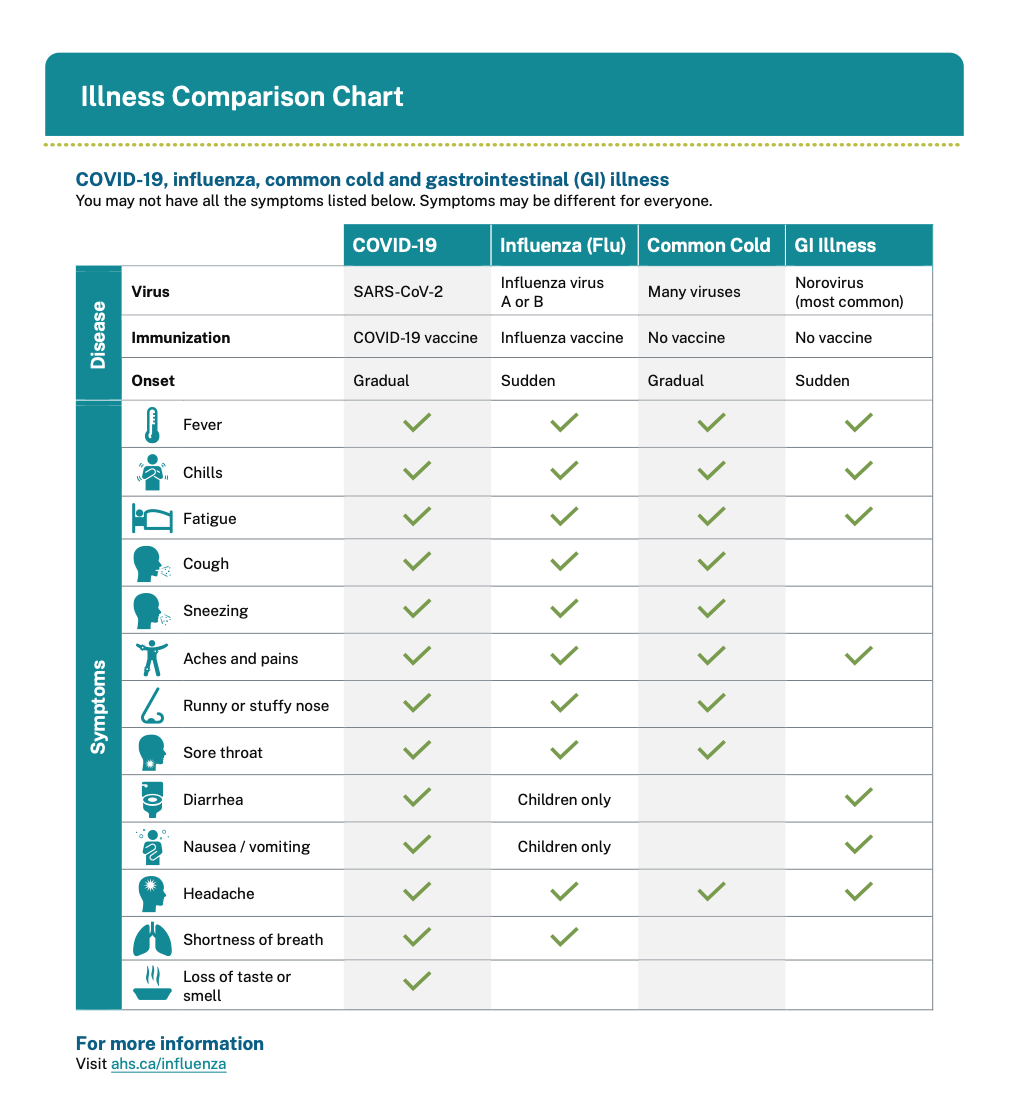
If you get the flu (influenza), it usually hits you hard and fast. One day you're fine, the next you feel like you've been hit by a truck. You'll likely have a high fever, chills, a brutal headache, and severe muscle aches that make your whole body hurt. The cough is often bad, and the exhaustion is intense—you won't want to get out of bed. You feel wiped out.
COVID-19 shares many symptoms with the flu, like fever, cough, and tiredness. What still sets it apart for many people is the sudden loss of taste or smell, which is much less common with the flu or a cold. Shortness of breath can also be a more prominent feature with COVID.
A common cold, on the other hand, is usually a much milder nuisance. It mostly stays "above the neck." You'll have a runny or stuffy nose, maybe some sneezing and a sore throat, but you typically won't have that full-body ache or high fever that knocks you flat.
Why Are Hospitals So Overwhelmed?
A few key things collided to create this crisis:
Low Vaccination Rates: Simply put, not enough people rolled up their sleeves. Only about 16% of Albertans got a flu shot this fall. That means the virus has had a huge pool of people it can easily spread through.
The Vaccine Isn't a Great Match: Scientists have to predict which flu strains will dominate months in advance to make the vaccine. This year, a tricky strain (H3N2) showed up after that decision was made. So, while the shot still helps make illness less severe, it's not blocking infections as well as everyone hoped.
Everything is Hitting at Once: We're seeing high levels of flu, COVID-19, and RSV (another nasty respiratory virus) all circulating together. This "triple threat" is flooding emergency rooms and filling up hospital beds, especially for kids and seniors.
Doctors and nurses are describing scenes of emergency departments overflowing, with patients being treated in hallways and waiting rooms because there are no beds left upstairs on the wards.
What Can You Do? (Seriously, This Part is Important)
With the system stretched so thin, what regular folks do really matters. Here’s how you can protect yourself and help take the pressure off:
It's Not Too Late to Get a Shot: Yes, the flu vaccine isn't a perfect match, but experts are clear: some protection is WAY better than none. It can still prevent you from ending up in the hospital, which is exactly where we don't need more people right now.
If You're Sick, Stay Home: This is the single most effective thing you can do to stop the spread. If you have a fever, cough, or feel that "hit-by-a-truck" fatigue, please cancel your plans. Keep your germs to yourself.
Know Where to Go for Help:
For emergencies (severe trouble breathing, chest pain, confusion): Go to the ER or call 911.
For non-emergency advice: Call Health Link at 811 to speak with a nurse anytime. Use your family doctor or a walk-in clinic if you can. Look into virtual care options—you might be able to see a doctor online without leaving your house.
Wash Your Hands & Consider a Mask: Good old-fashioned handwashing still works. And in crowded indoor places (like a packed mall or grocery store), wearing a mask is a simple layer of protection for you and those around you.
This is a tough season, but we can get through it by looking out for each other. Making smart choices about our health isn't just good for us—it's a direct help to the doctors, nurses, and paramedics who are working incredibly hard to keep everyone safe.
Flu Can Be A Killer
By The Numbers
The province reports that as of Dec 13 there have been 5996 lab-confirmed cases of the flu this season. Currently there are 380 people in hospital, another 30 in the ICU and a positivity rate of over 34%. That means more than 1 in 3 of people who are tested for the flu are positive.
39 people have died of the flu so far this season. Most of the deaths have been in the 65+ age range but 5 have been in the 20-49 age range.
Hospitalizations and ICU admissions cover all age ranges.
(NB - this year’s predominant strain is the same one that was circulating when the flu nearly killed my husband in 2016/17.)
Additional Info From AHS Website
Influenza (Flu): Care Instructions
Influenza in Teens: Care Instructions
Influenza (Flu) in Children: Care Instructions
When should you call for help?
Call 911 anytime you think you may need emergency care. For example, call if:
You have severe trouble breathing.
You have a seizure.
Call your doctor or nurse advice line now or seek immediate medical care if:
You have trouble breathing.
You have a fever with a stiff neck or a severe headache.
You have pain or pressure in your chest or belly.
You have a fever or cough that returns after getting better.
You feel very sleepy, dizzy, or confused.
You are not urinating.
You have severe muscle pain.
You have severe weakness, or you are unsteady.
You have medical conditions that are getting worse.
Watch closely for changes in your health, and be sure to contact your doctor or nurse advice line if:
You do not get better as expected.
You are having a problem with your medicine.
For 24/7 nurse advice and general health information call Health Link at 811.
For Children
Call 911 anytime you think your child may need emergency care. For example, call if:
Your child has severe trouble breathing. Signs may include the chest sinking in, using belly muscles to breathe, or nostrils flaring while your child is struggling to breathe.
Call your doctor or nurse advice line now or seek immediate medical care if:
Your child has a fever with a stiff neck or a severe headache.
Your child is confused, does not know where they are, or is extremely sleepy or hard to wake up.
Your child has trouble breathing, breathes very fast, or coughs all the time.
Your child has signs of needing more fluids. These signs include sunken eyes with few tears, dry mouth with little or no spit, and little or no urine for 6 hours.
Your child has a high fever.
Watch closely for changes in your child's health, and be sure to contact your doctor or nurse advice line if:
Your child has new symptoms, such as a rash, an earache, or a sore throat.
Your child cannot keep down medicine or liquids.
Your child is having a problem with a medicine.
Your child does not get better as expected.