

PSA: Navigating a Severe Flu Season
File photo
Wastewater data confirms what many in our community are feeling: this is the worst influenza season in Medicine Hat in at least three years. This sharp rise in viral activity across Alberta coincides with deeply concerning reports from the healthcare frontlines. This combination of high community spread and a strained healthcare system creates a critical moment for public awareness and action. This article serves as a guide to protect yourself, your loved ones, and our community's health resources during this challenging time.
📈 Understanding the Current Situation
Source - Centre for Health Informatics
The most objective measure of virus spread comes from our wastewater. This wastewater tracker monitors the concentration of influenza virus particles in sewage, which provides an early and unbiased picture of community infection levels, regardless of how many people get tested. This creates an early warning system and gives authorities an idea of how many people will require hospitalization as the virus shows up in the wastewater first.
The data is clear: influenza activity in Medicine Hat is at its highest point since the 2021-2022 season. This significant surge means the virus is circulating widely, increasing everyone's risk of exposure.
Source - Alberta Respiratory Virus Dashboard
According to the Respiratory Virus Dashboard as of Dec 20 there have been so far this season -
8761 lab confirmed cases of the flu
1635 hospitalizations
116 ICU admissions
47 deaths
🛡️ Your Action Plan: Prevention and Preparedness
With high transmission and potential pressure on hospitals, proactive steps are more important than ever.
1. Get Vaccinated: It's Not Too Late.
The annual flu shot remains your single best defense against severe illness. It:
Reduces your risk of hospitalization and death.
Helps protect those around you who are more vulnerable.
Is still widely available at pharmacies and through Alberta Health Services.
2. Practice Vigilant Hygiene.
Wash your hands frequently with soap and water for at least 20 seconds.
Use alcohol-based hand sanitizer when soap isn't available.
Cough and sneeze into your elbow or a tissue, not your hands.
Clean and disinfect high-touch surfaces at home and work regularly.
3. Make a Plan Before You Get Sick.
Stock up sensibly on essentials like fever reducers (acetaminophen, ibuprofen), cough syrup, hydrating fluids, and easy-to-prepare foods. Avoid panic-buying.
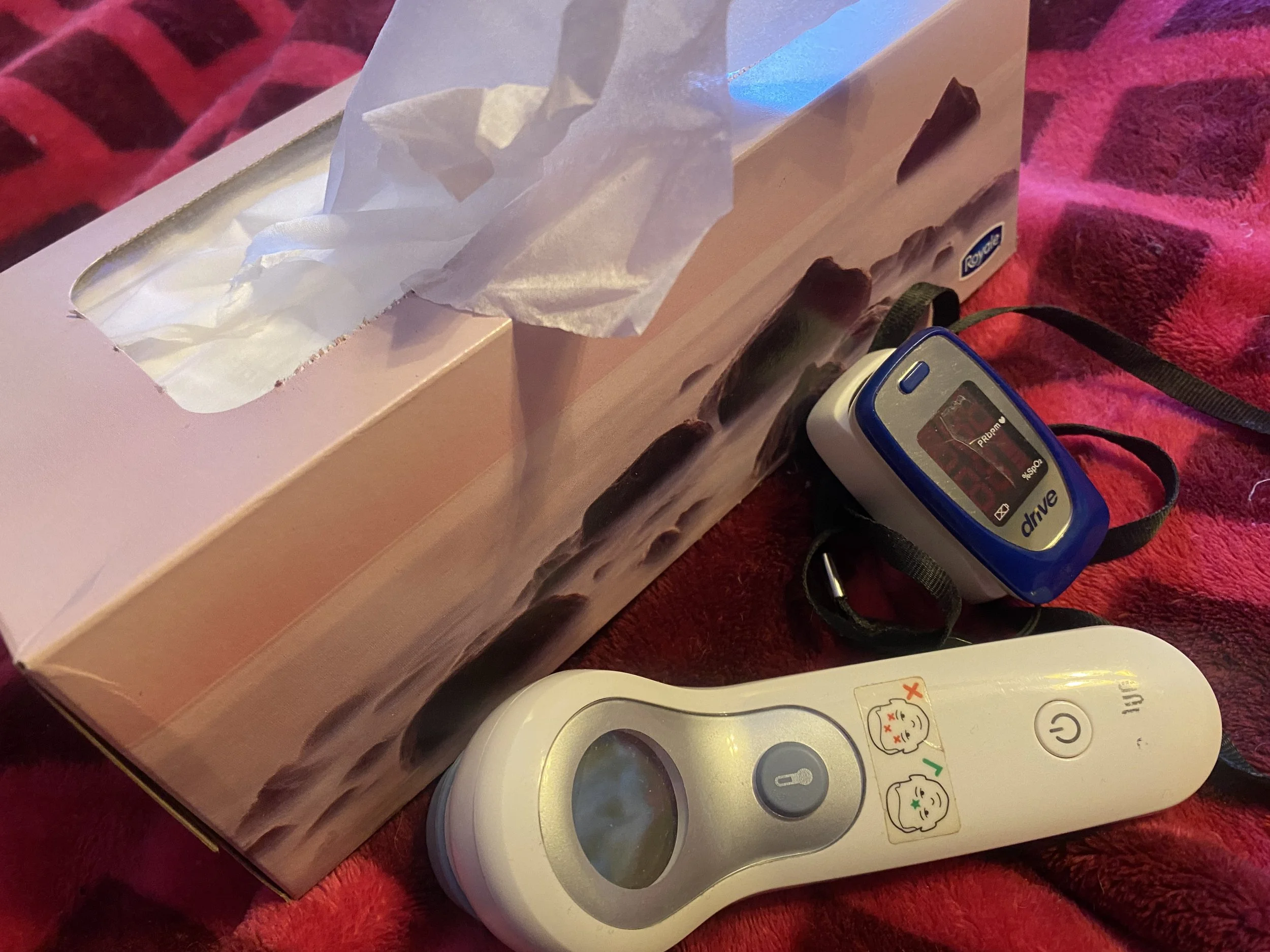
Consider a Pulse Oximeter: This small device clips on your finger to measure blood oxygen saturation (SpO2) and heart rate. It can be a valuable tool for monitoring your health at home if you become ill, as low oxygen can be a silent sign of serious illness.
Know your options for care. Not every illness requires an emergency room visit.
Health Link 811: Call 24/7 to speak with a nurse for advice.
Your Family Doctor or Walk-in Clinic: For non-urgent symptoms.
Online Appointments (Telus Health, Maple): For virtual consultations.
Use the ER for emergencies: Severe difficulty breathing, chest pain, confusion, or prolonged high fever. For less severe symptoms, using other resources helps ensure ER capacity for true crises.
Calling an ambulance will not get you treated quicker. You will be triaged at the ER; those who are closest to death get treated FIRST. Check the ER wait times here.
🤒 If You Get Sick: How to Manage the Flu at Home
Most healthy adults will recover from the flu at home within a week or two.
Isolate: Stay home from work, school, and public places to avoid spreading the virus.
Rest and Hydrate: Your body needs energy to fight. Drink plenty of water, broth, or electrolyte solutions.
Manage Symptoms: Use over-the-counter medications as directed to reduce fever, aches, and cough.
Monitor Your Health:
1. Know Your Personal Baseline for Fever:
The standard "normal" temperature of 37°C (98.6°F) is an average. Some people have a lower baseline (e.g., 36.4°C or 97.5°F), so for them, a reading of 37.8°C (100°F) could be a significant fever. It's also possible to be very sick without a fever, especially older adults or those with weakened immune systems. Focus on the change from your personal normal.2. Monitor Blood Pressure (If You Have a Monitor):
A significant and sudden drop in blood pressure can be a critical warning sign of sepsis, a severe body-wide response to infection. If you monitor at home:Know Your Baseline: Be aware of your typical, healthy blood pressure reading.
When to Worry: A systolic (top number) reading below 90 mmHg, or a drop of more than 40 mmHg from your normal, is a medical emergency. This is particularly urgent if it's accompanied by signs of shock like clammy skin, extreme weakness, confusion, or feeling like you might faint.
3. Using a Pulse Oximeter (If You Have One):
Know Your Baseline: Check your SpO2 when you are healthy to know your normal reading (typically 95-100% for most people at sea level).
How to Measure: Sit still, place the oximeter on a warm, clean finger without nail polish. Wait until the reading stabilizes (about 30 seconds).
Important Caution – False Readings: A pulse oximeter can sometimes give false or misleading readings. Factors like poor circulation, cold hands, dark nail polish, or movement can affect accuracy. It is a monitoring tool, not a diagnostic device.
Use in Combination with Symptoms: The most important rule is to always trust how you feel over a single number. Your oxygen level might read as "okay," but if you are experiencing severe shortness of breath, chest pain, confusion, or a racing heart, these are urgent symptoms that require medical attention.
When to Act: Seek immediate medical attention if your SpO2 is 92% or lower. Consistently low readings (93-94%), or a drop of 3-4% from your known baseline, are also a reason to call Health Link 811 or your doctor promptly. Never ignore severe symptoms just because an oximeter reading seems normal.
4. Monitor for All Warning Signs: Seek immediate medical attention if you or a loved one experiences:
Difficulty breathing or shortness of breath
Persistent chest pain or pressure
Sudden dizziness, confusion, or fainting
Severe or persistent vomiting
Symptoms that improve but then return with worse fever and cough
💙 A Call for Community Care
The reported recent tragedy in Edmonton is a sobering reminder of the very real pressures on our healthcare system. During a severe outbreak, our collective actions directly impact its ability to function.
By getting vaccinated, staying home when sick, and using the appropriate level of care, we do more than protect ourselves. We help reduce the burden on hospitals and clinics, ensuring that critical care is available for those who need it most—our neighbours, family, and friends.
Let's work together to get through this severe flu season safely. Protect yourself, protect your community, and know where to turn for help.
For the latest data on respiratory viruses in Alberta, you can visit the Alberta Respiratory Virus Dashboard.
