City set to lose day addiction, homeless support services

City council’s regular meeting on Monday Jan. 19. (Photo Alex McCuaig)
SafeLink Alberta’s drop-in centre for homeless and addicted is set to close at the end of the month following the province’s veto of the city’s successful application for federal funding to keep it running.
The action by the province to block federal funding for the City of Medicine Hat comes by way of provincial legislation which requires Alberta government approval of Canadian government support for municipal projects.
“As far as I know, this is the first time it’s been utilized,” said Mayor Linnsie Clark regarding the Provincial Priorities Act following Monday’s council meeting. “It’s definitely a great way to spark a conversation amongst municipalities and others that rely on federal funding.”
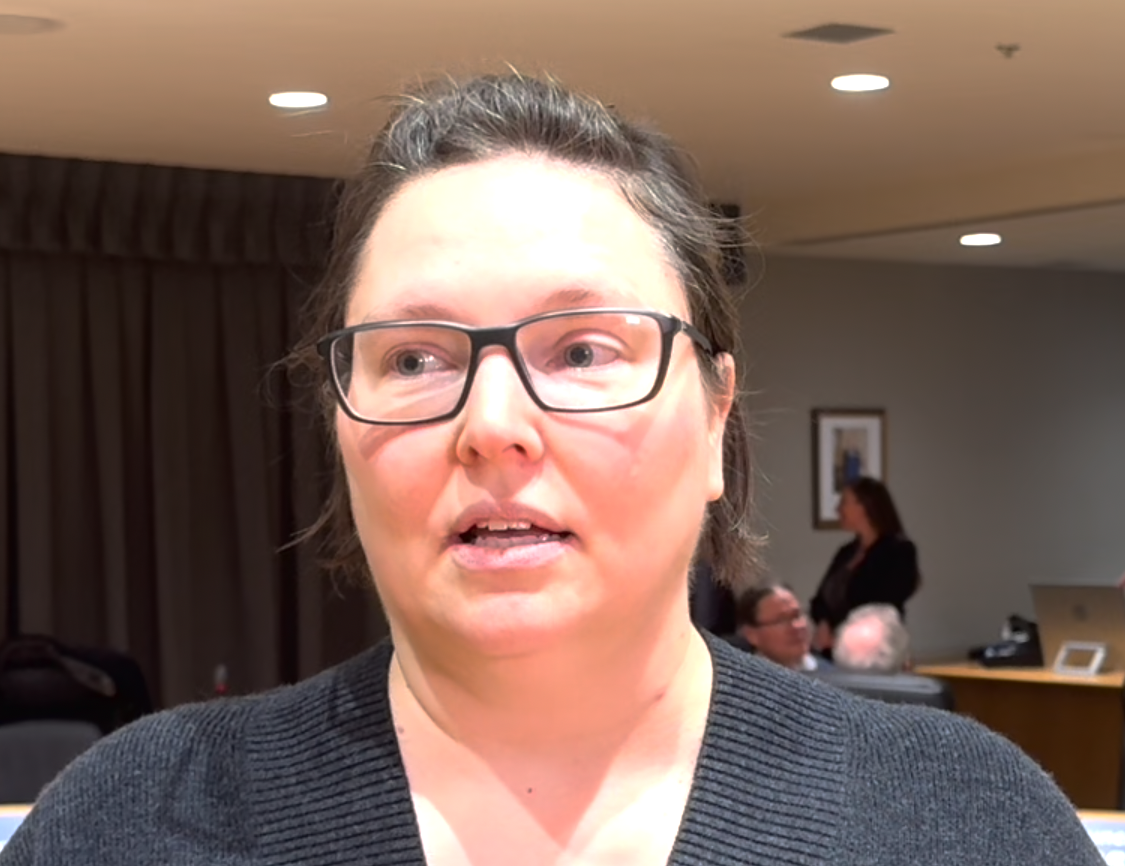
Mayor Linnsie Clark on Monday.
The mayor added council intends to work closely with the provincial government to ensure the city can access federal funds.
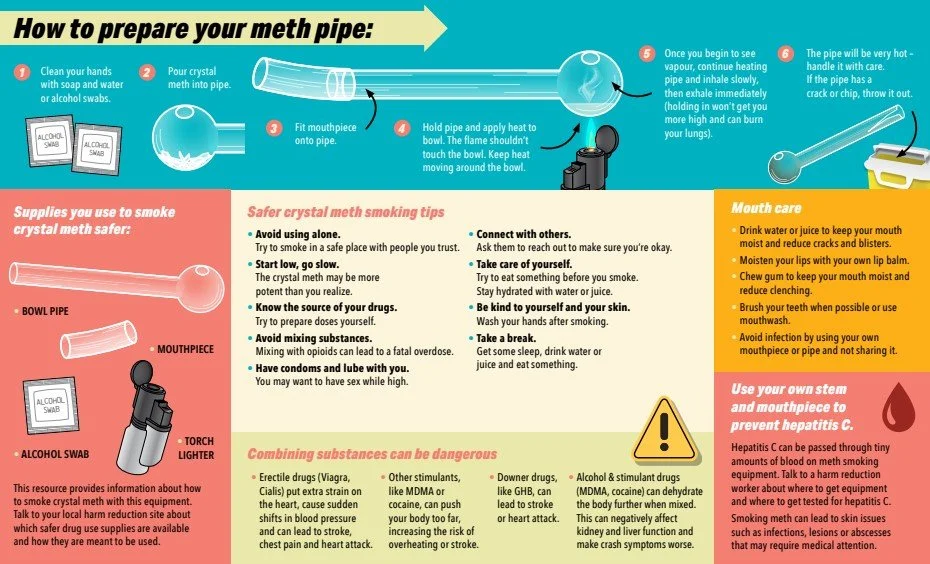
Literature publicly shared by SafeLink demonstrating how to smoke methamphetamine in a manner which reduces the possibility of spreading or contracting hepatitis is the reason provincial officials cite for the rejection of the federal funding.
“The service provider partner, SafeLink, is a group that previously taught youth how to use deadly illicit drugs, which is unacceptable,” stated Premier Danielle Smith, Medicine Hat MLA, in a statement last week to the Medicine Hat Owl.
The loss of daytime drop-in services is the latest blow in the past 12 months in attempts to shore up support to city homeless, provide addiction recovery programs and stem social disorder.
A day drop-in centre on Allowance Avenue operated by the Mustard Seed was required to close in-person operations due to public backlash from neighbouring residents citing improper zoning of the property this time last year. That was followed by the loss of shelter spaces for teens in the city in the fall. And, despite provincial funding currently available to the Mustard Seed to double the city’s 30 overnight spaces and provide daytime drop-in services, a permanent shelter facility has yet to be realized.
Council heard earlier this month the province rejected the city’s application for temporary funding to operate the SafeLink drop-in services under the federal Emergency Treatment Fund.
The latest in the string of setbacks for addiction and homelessness services comes in parallel with the development of the city’s Resilient and Inclusive Community Task Force which was stuck to deal with issues related to homelessness and addiction.
The task force’s members include Premier Smith, MLA Justin Wright, MP Glen Motz, SafeLInk Alberta’s executive director along with several other city, public and social service organizations.
Motz has not replied for requests for comment but has attended several of the task forces meetings. Neither Smith nor Wright have attended any meetings but have sent representation from their respective constituency offices.
Coun. Stu Young was a public member of the task force prior to his election last fall and is currently representing council on the body.
Young defended the task force while highlighting it’s made up of a diverse group dealing with a challenging issue.
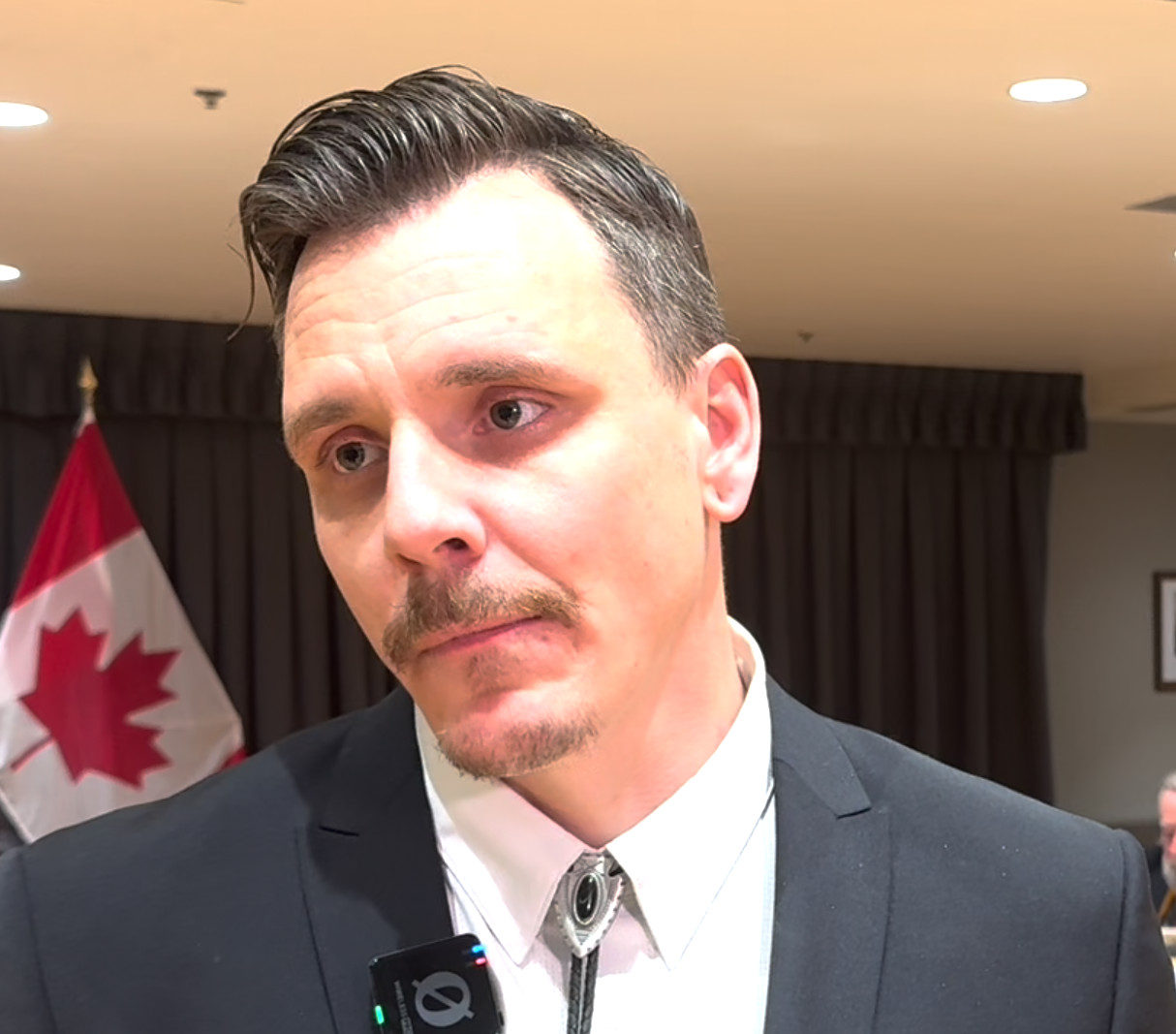
Coun. Stu Young on Monday.
“I still think the task force is the right move, and I believe there are incredible accomplishments it can do,” he said, stressing task force chair Kris Samraj and acting city manager Joseph Hutter will be able to provide strategic guidance.
But it will likely take time, he added, possibly more than the six months set in the task force’s action plan adopted in September to hit key objectives.
That action plan listed as its first objective, “to develop and recommend strategies and actions within six months to reduce the impacts of homelessness, mental health, addiction and poverty, balancing individual, and community needs.”
Young said, “I really think it’s incumbent on the task force now to get really specific and say what are those two or three things that we are going to accomplish.”
Katie Aryes, SafeLink Alberta’s executive director, noted in an email to the Owl that the organization has been providing services in Alberta for 40 years and was established in Medicine Hat 15 years ago at the request of the provincial government.
“We believe that everyone deserves access to healthcare services, regardless of their background or lifestyle. That's why we prioritize underserved communities and those who are most at risk for HIV, hepatitis C, and other sexually transmitted and blood-borne infections (STBBI),” stated Aryes. “Our services include STBBI testing and treatment, systems navigation and case management, peer support groups, and coordination with other healthcare providers. We also provide health promotion support on safer sex practices, substance use, and overdose prevention.”
The Resilient and Inclusive Community Task Force is scheduled to meet next on Wednesday.