

Op-ed: A Legal Autopsy of Ann’s Claim
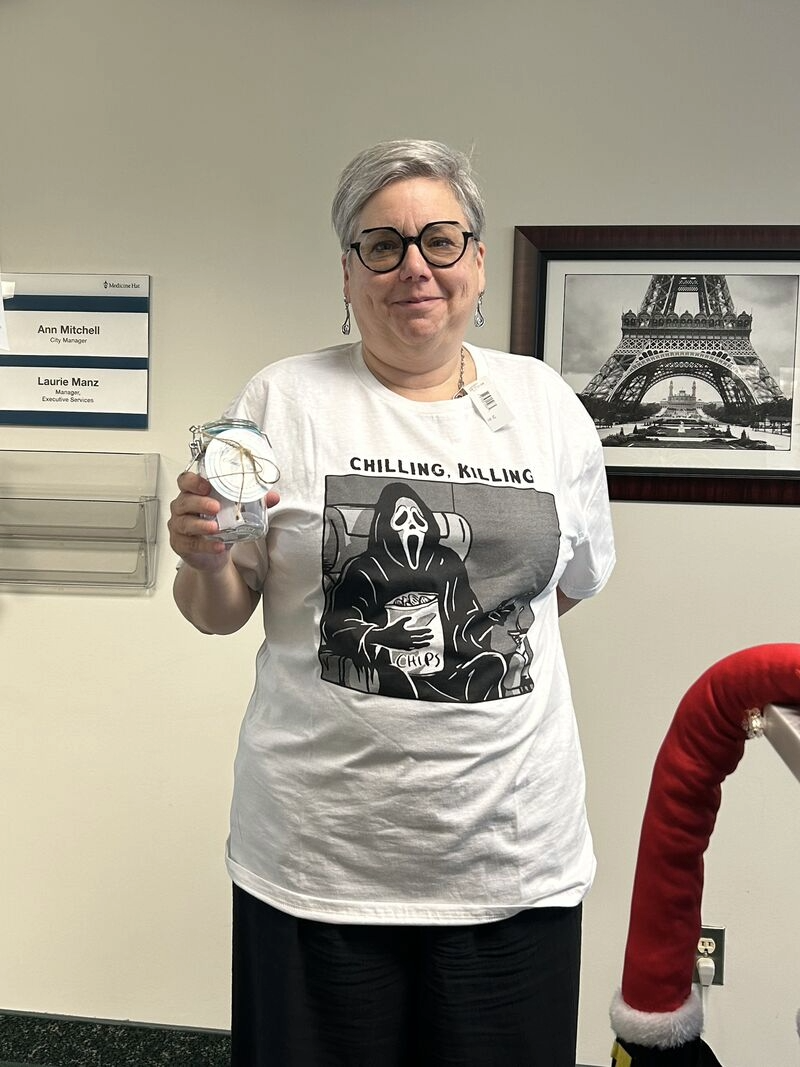
Ann Mitchell
Was CAO of the hat in 2025
I HAVE A LEGAL OPINION JUST LIKE ANN! (Which means this is entirely my opinion, and worthless to judges, lawyers and Chief Administrative Officers all over Canada.)
There are lawsuits that read like chess matches, they are cold, deliberate, ruthless. Then there are lawsuits that read like an anonymous roast and toast written at 3:17 a.m. after doom-scrolling council minutes and half a bottle of pinot noir.
This one is firmly in Category B.
From the opening paragraphs, the Statement of Claim doesn’t so much plead facts as it pleads vibes. Bad vibes. Persecuted vibes. “Everyone is against me except the law, which I assume will figure it out” vibes.
Courts are notoriously insensitive to how things felt.
They care about who did what, when, under what authority, in breach of which duty, causing what legally cognizable harm?
This pleading, however, appears animated by a different theory of justice; “If I was uncomfortable, embarrassed, contradicted, or challenged, then wrongdoing must have occurred.”
That is not tort law. That is middle management shock.
Municipal governance is, by definition, adversarial, messy, political, and occasionally humiliating. Being booed by the public is not a tort. Being disagreed with by council is not harassment. Being supervised by elected officials is not oppression, it’s literally the job description.
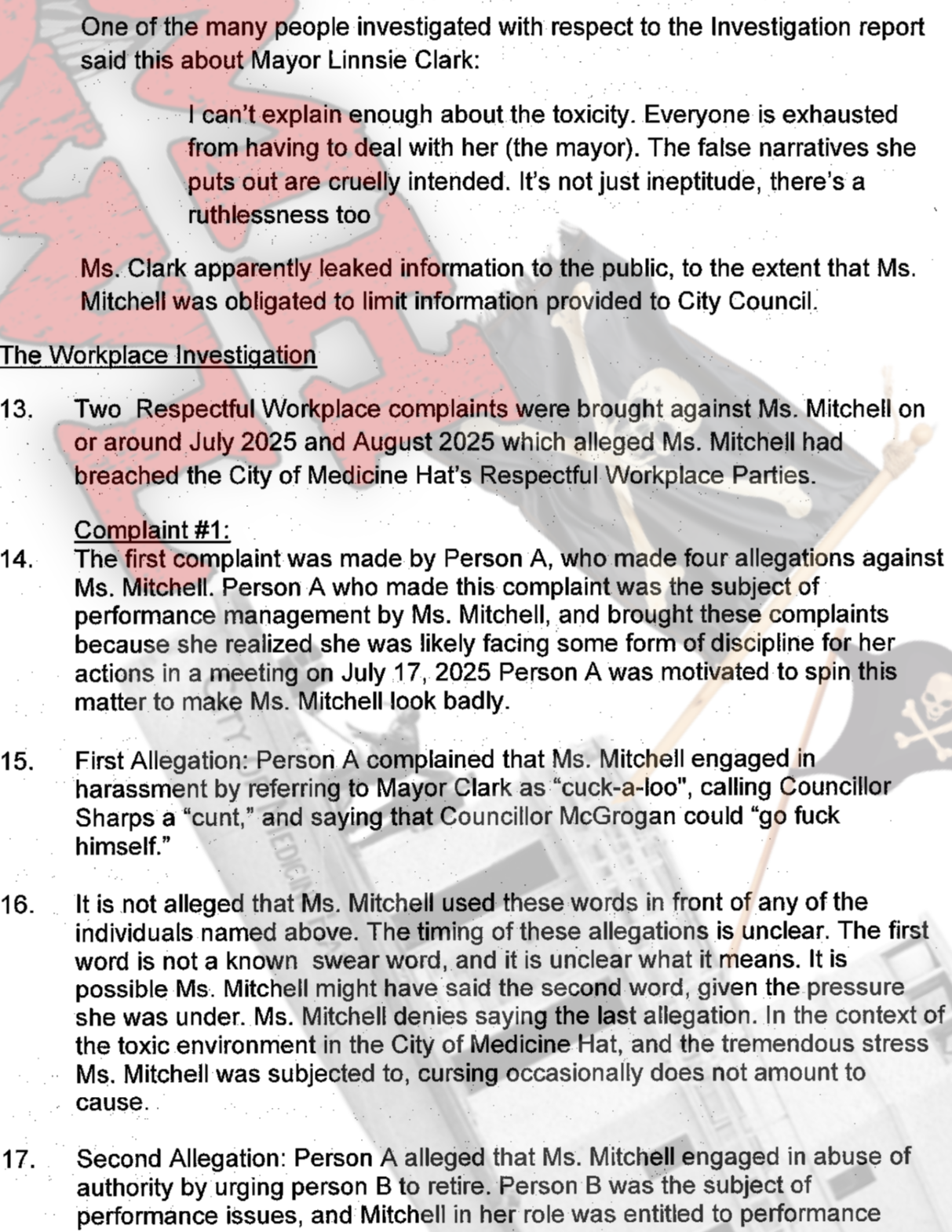
page 4.
Called Shila Sharps “Cunt”? Said Andy: “Can go Fuck Himself”?
A well-drafted claim keeps the plaintiff humble. This one struts. The author positions herself simultaneously as: the wronged party, the most competent person in the room, and the sole interpreter of “proper governance”. That’s a dangerous cocktail in litigation. Judges get twitchy when pleadings read less like evidence and more like a LinkedIn DM to your bestie at Municipal World.
High-conflict litigation lives or dies on restraint. This document has none. It overexplains, overemotes, and overreaches—classic indicators of a case trying to argue credibility instead of proving facts.
One recurring theme appears to be the assumption that professional expertise equals unilateral authority.
It does not.
A CAO advises. Council decides. When that relationship breaks down, it is unfortunate… but not unlawful by default.
What’s conspicuously thin here is a clean legal bridge between a disagreement and actionable misconduct. Courts don’t intervene because governance was “dysfunctional.” They intervene when specific legal thresholds are crossed. Repeating that something was unfair does not make it illegal. Reframing political oversight as personal attack does not convert it into damages.
Now, let’s talk optics, because courts pretend they don’t matter, and then quietly let them matter anyway.
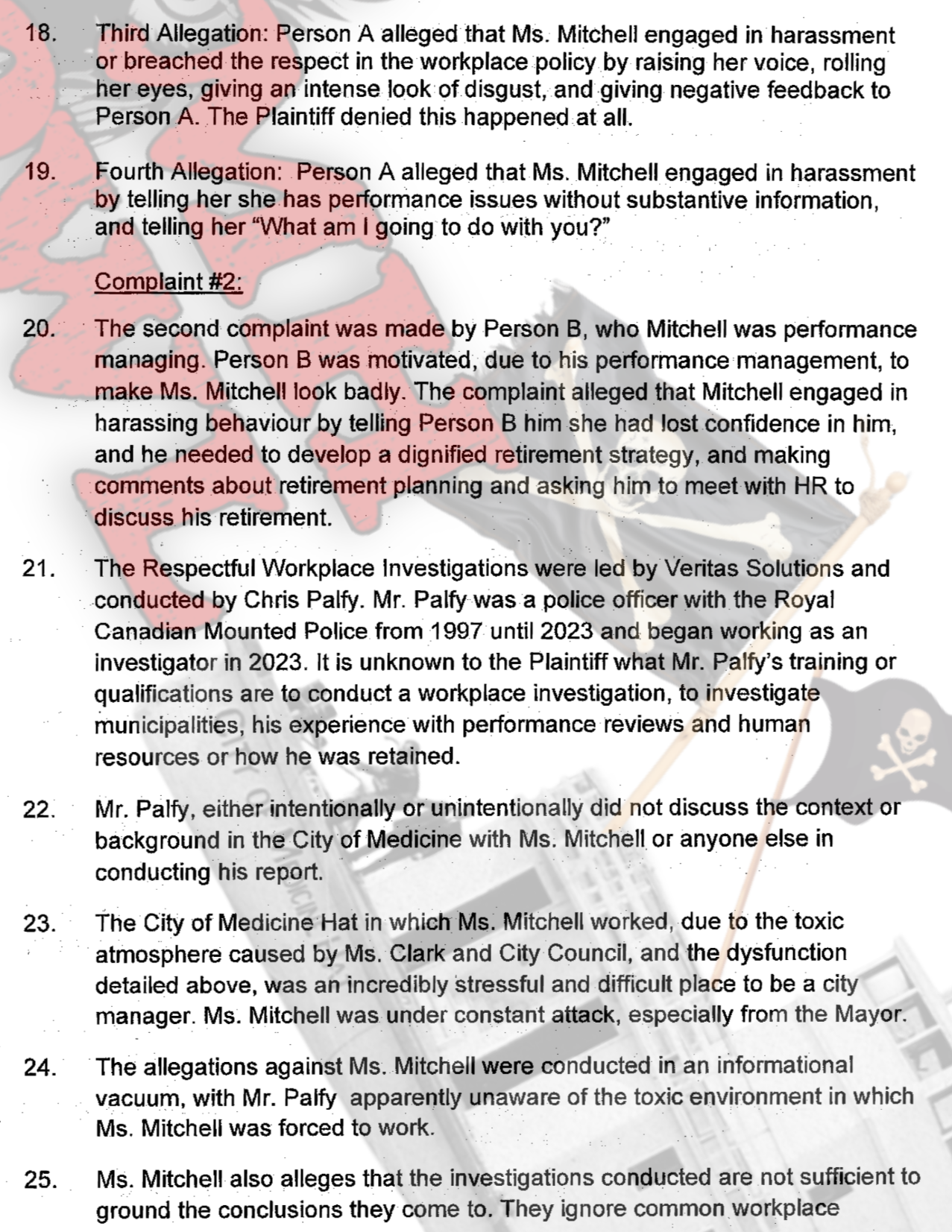
is how the place was described. Do the math.
Strip away the rhetoric and the grievance, and what remains is not a clean claim about legal rights being violated. It is a lament about loss of control. Loss of narrative control. Loss of institutional control. Loss of public deference.
Courts do not exist to restore status. They exist to remedy legal wrongs. This claim appears to conflate the two, and that is usually fatal.
This Statement of Claim reads less like a roadmap to damages and more like a warning label. It suggests emotional overinvestment, blurred professional boundaries, and a fundamental misunderstanding of how power actually flows in municipal government.
Or, to put it plainly; this is what happens when someone mistakes being central to operations for being untouchable.
You wanna read the lawsuits?
Here they are!
The LAWSUITS OF THE YEAR!
(If you think it’s cool that we publish this stuff, please become a paid member or send us a donation, thanks!)
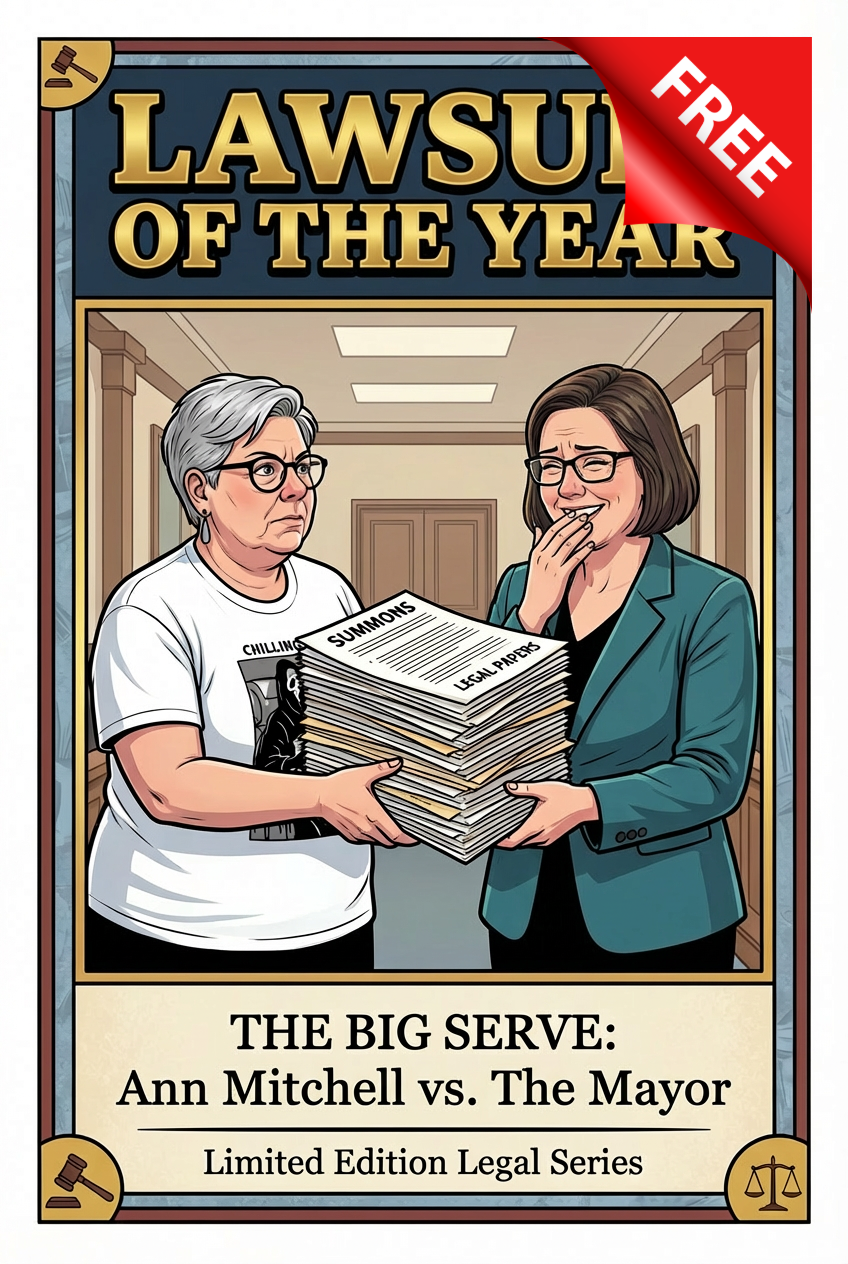

The former CAO of Medicine Hat, Ann Mitchell is now suing the Mayor and the City. This is her statement of claim.